
There is no verified, publicly filed class action lawsuit naming Odele Beauty as a defendant as of 2026. Court record databases and legal newswires show no case, no docket number, and no plaintiff tied to Odele. The term “Odele Shampoo Lawsuit” spread through TikTok posts and unsourced content sites. There is no actual court filing. Real formaldehyde-related shampoo lawsuits do exist. They just target other brands. You’ll find the full breakdown below, plus a quick way to check any lawsuit claim yourself.
I review legal content pages to verify this claim, and this one almost went in a different direction than you’d expect. You searched “Odele Shampoo Lawsuit” because you want a straight answer, not a rewritten rumor. So here’s what I found when I checked the record myself, before anything else.
So let’s get started together.
Key Takeaway
- There is no court record showing a filed lawsuit against Odele Beauty.
- Odele’s own FAQ page states its products never contain formaldehyde, and no published lab report contradicts that claim.
- Real DMDM hydantoin lawsuits exist, but they name other brands, including OGX and TRESemmé.
- Before you trust any “shampoo lawsuit” claim, check CourtListener or ClassAction.org yourself. A real case always has a docket number.
- Looking for an Odele shampoo lawsuit update? Nothing has changed. Still no filed case, as of September 2026.
Is There a Real Odele Shampoo Lawsuit?
No. A search of federal and state court databases turns up no case with Odele Beauty as a named defendant. I checked this the same way I’d check it for a client: through CourtListener’s free case search, not a summary someone else wrote. That answer surprises a lot of readers who landed here after a viral TikTok video or a “settlement guide” article. Here’s the problem with those sources: none of them link to an actual complaint, docket number, or court name.
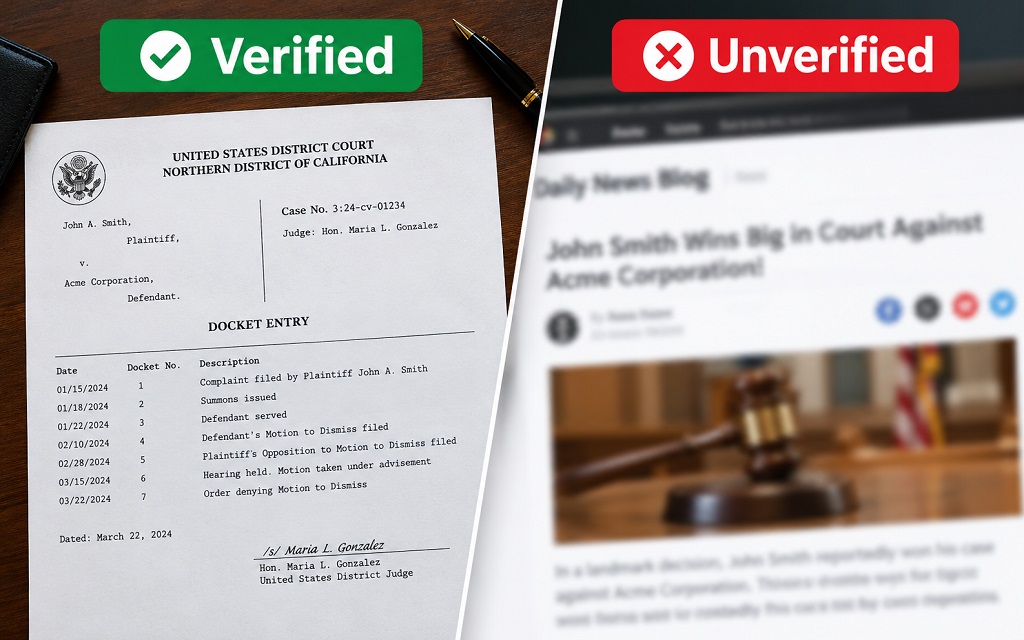
Compare that to a real filing. Real class actions have a case name (like Smith v. Company Inc.), a court (say, the U.S. District Court for the District of Minnesota), and a docket number you can look up. The articles that push the “Odele lawsuit” narrative skip all three.
They lean on vague phrases instead, “third-party tests reportedly found,” “attorneys have filed updated briefs,” “the case is expected to settle.” Vague phrasing without a source is a red flag in legal content. A real lawsuit is a public record. Anyone can check it.
Where Did This Rumor Start?
This rumor grew out of a real, separate legal story: the DMDM hydantoin lawsuits against other haircare brands. Those cases got wide media coverage starting in 2021. Reddit threads and TikTok videos picked the story up fast, and “odele shampoo lawsuit reddit” turned into its own search trend, though good luck finding an actual Reddit post with a source attached.
Most of them just repeat what someone else already posted. Once “shampoo + formaldehyde + lawsuit” turned into a trending search topic, low-effort content sites started attaching the same story to any clean-beauty brand people search for. Odele got caught in that net, and a few articles even stretched the claim into an “Odele shampoo and conditioner lawsuit,” despite the conditioner line facing the exact same absence of any court filing.
Odele fits the pattern almost too well. It markets itself as a clean, sulfate-free brand, and it sits on shelves at Target and Ulta. Readers who search for shampoo lawsuit news naturally type Odele’s name too, because it’s a brand they already own. Content sites then write to that search demand, even without a real case behind it.
This is a known problem in legal SEO content: a writer produces a plausible-sounding “lawsuit guide” for a brand because the keyword pulls traffic, not because a lawsuit exists. Treat any legal claim without a case number the way you’d treat a rumor about your bank account. Verify it before you act on it.
What Does Odele Say About Formaldehyde?
Odele states directly that its products never contain formaldehyde. On its official FAQ page, the brand writes that it never uses SLS and SLES sulfates, formaldehyde, phthalates, or parabens. That statement sits on Odele’s own site, not in a third-party summary of it. I always tell newer legal writers to go straight to the primary source before they repeat a claim about a company. This is exactly why.
Here’s why it matters: the unsourced “lawsuit guide” articles claim lab tests found formaldehyde in Odele products. No published, citable lab report backs that claim up. A company’s own marketing copy isn’t proof of anything by itself, sure. But a specific, falsifiable statement like “we never use formaldehyde” is a claim regulators and plaintiffs’ attorneys can test. So far, nobody has published test results that contradict it.
Odele user with a specific product in hand? Its full ingredient list is public on Odele’s product pages and on retailer sites like Target and Ulta. DMDM hydantoin would appear by name in the ingredient list if a product contained it. Check the label yourself instead of trusting a summary article.
Which Shampoo Formaldehyde Lawsuits Are Actually Real?
Several documented lawsuits and investigations exist over DMDM hydantoin, a formaldehyde-releasing preservative. Here’s where the real case activity sits:
- OGX products (Johnson & Johnson Consumer Inc. and Vogue International). Multiple lawsuits alleged hair loss and scalp irritation from DMDM hydantoin. The best-known case, Whipple v. Johnson & Johnson Consumer Inc., was dismissed with prejudice in March 2022. No public settlement fund exists for OGX buyers.
- TRESemmé keratin products. A lawsuit targeted certain TRESemmé keratin shampoos over similar hair-loss and scalp-irritation claims tied to DMDM hydantoin.
- A broader legal investigation covered products including Keratin Complex, It’s a 10, Paul Mitchell Tea Tree, TIGI Bed Head, Finesse, Got2b, Maui Moisture, Nexxus, Aussie, Dove, and Mane ‘n Tail lines. ClassAction.org’s own case page confirms the investigation closed in October 2022, and the lawsuits that followed produced mixed outcomes rather than one big payout.
None of these lists name Odele. If you used one of the products above and had a reaction, that’s the litigation history that matters to you, not a search for an Odele case that doesn’t exist in the record.
What Is DMDM Hydantoin, and Should You Worry About It?
DMDM hydantoin is a preservative. It stops mold and bacteria from growing in a product by releasing tiny amounts of formaldehyde over time. It turns up in plenty of shampoos, conditioners, and body washes that don’t market themselves as “clean” or “natural.”
Two facts about it are well established. First, it releases formaldehyde. The FDA lists it among the most common allergens found in personal care products. Second, the amount released in a rinse-off shampoo stays small; some researchers compare it to the trace formaldehyde a piece of fruit naturally carries.
One fact isn’t established: a direct, peer-reviewed clinical link between DMDM hydantoin at cosmetic-use concentrations and hair loss. Lawsuits allege that link. Strong clinical proof of it doesn’t currently exist, and that gap explains why these cases move slowly and settle for small amounts or get dismissed, instead of producing quick nationwide payouts.
Here’s the practical takeaway. Got a known formaldehyde or preservative allergy, eczema, or an easily irritated scalp? DMDM hydantoin is worth avoiding regardless of any lawsuit. Check your labels. No history of sensitivity? The ingredient sits in a “regulated and permitted, but worth knowing about” category rather than a “confirmed hazard” one.
How Do You Verify a Class Action Lawsuit Yourself?
You can check any “company X lawsuit” claim in under five minutes with free tools.
Start at CourtListener.com and type the company name. Real federal lawsuits show up there with case numbers and filing dates, at no cost. Next, check ClassAction.org’s active case list; it tracks real, ongoing investigations and lawsuits by industry, and it states clearly when an investigation has closed. Your state attorney general’s consumer alerts page is worth a look too; state AGs publish real settlement and recall notices.
Then look for a named law firm and a real case caption. A credible lawsuit article names the plaintiff, the defendant exactly as sued, the court, and the docket number. An article that only says “attorneys are investigating” or “a case is expected to settle,” with no case number anywhere on the page? Treat it as unverified. And if you want the actual filed complaint, PACER carries a small per-page fee but hands you the primary source document.
If you’re a freelancer, a startup founder, or a small legal-content publisher who builds pages around lawsuit keywords, run this same check before you publish, not after a reader catches the gap. An unverified legal claim published as fact creates real liability and real reputational risk for your site.
What Should You Do If a Shampoo Caused a Reaction?
Stop the product first, then document what happened. Photograph any scalp irritation, redness, or unusual shedding. Keep the bottle and the receipt. See a dermatologist if the reaction goes beyond mild; a formal diagnosis matters far more to any future claim than a home description of symptoms.
Report the reaction through the FDA’s MedWatch adverse event system. This step matters even if you never plan to sue. MedWatch reports help regulators and future plaintiffs’ attorneys spot real patterns worth an investigation, rather than isolated incidents. In my own review work, cases built on MedWatch data hold up far better than cases built only on social media complaints.
Talk to a consumer protection or product liability attorney in your state if the reaction was serious. A real attorney will tell you honestly whether your case fits an existing investigation or stands alone. That conversation costs nothing in most cases, since these attorneys typically work on contingency for product injury claims.
Can a Company Get Sued for False “Clean Beauty” Claims?
Yes, a company can face a false advertising claim over “clean beauty” marketing, but the bar sits in a specific place. Consumer protection law generally requires three things: a misleading statement, reasonable consumer reliance on it, and actual harm from that reliance.
“Clean beauty” has no official legal definition in the United States, unlike “organic,” which the USDA regulates. That gap cuts both ways. A company can’t point to a government standard to defend the term, and a plaintiff has to prove what a “reasonable consumer” would understand “clean” to mean, then show the product missed that mark.
This legal framework is real and applies broadly to the beauty industry. It just doesn’t currently apply to Odele in a filed case, based on available public records. If that changes, a real filing will show up in the sources listed above.
Is Odele Shampoo Actually Good for Your Hair?
Most reviewers rate it well, and the ingredient list backs that up. On Odele’s own site, the Volumizing Shampoo holds roughly 4.5 out of 5 stars from over 750 buyer reviews. That’s brand-reported data, so take it with a grain of salt. But Target’s independent review page shows a similar 4.2 out of 5 across more than 2,000 verified buyers, and those reviewers have no reason to go easy on the brand. Feedback isn’t universally glowing, though.
A handful of reviews on independent sites note that the Volumizing line falls short on lather and doesn’t add much lift for very fine or flat hair. Real-world results run mixed, the way they do for most drugstore shampoos. Your hair type decides more than any star rating does.
The formula explains part of it. Odele skips SLS and SLES sulfates, so the lather feels lighter than a drugstore shampoo. The amino acids in the Volumizing line target fullness without buildup, which is the whole pitch behind an Odele volume shampoo review you’d read from an actual customer. Curly hair, fine hair, color-treated hair.
Odele builds a separate line for each one (Curl Defining, Volumizing, Clarifying), and that matters more for your results than any single all-purpose bottle ever could. Check a review from someone with your hair type before you trust a generic star rating. The same bottle behaves differently on different heads.
Hair loss sits on its own, separate track from “does it work?” Nothing in the ingredient list ties Odele shampoo to hair loss. No lawsuit, no published case report, and no FDA warning connect the brand to it. Shedding more than usual after a wash? Look at scalp irritation, stress, hormone shifts, or a new medication first. A shampoo swap rarely causes sudden hair loss by itself, and DMDM hydantoin. The ingredient behind the real lawsuits isn’t even in Odele’s formula to begin with.
FAQs
Is Odele shampoo safe to use in 2026?
Odele states its products contain no formaldehyde, sulfates, phthalates, or parabens. No verified lawsuit or published lab report currently contradicts that claim. Check the ingredient list on your specific product if you have a known sensitivity.
Has anyone won a lawsuit against Odele?
No. No publicly filed lawsuit against Odele Beauty exists in court records as of September 2026, so there’s no settlement or verdict to report.
What shampoo brands have real formaldehyde lawsuits?
OGX (Johnson & Johnson Consumer Inc.) and TRESemmé keratin products carry a documented lawsuit history tied to DMDM hydantoin. Several other brands sat inside a closed legal investigation between 2021 and 2022.
Why does Odele keep showing up in shampoo lawsuit searches?
Odele is a widely purchased clean-beauty brand, and it gets swept into general “shampoo lawsuit” search demand created by real cases against other brands. Search demand doesn’t confirm a case exists.
Should I stop using Odele shampoo because of this rumor?
That decision is yours, based on your own scalp health and ingredient sensitivities, not an unverified lawsuit claim. No reaction and no known allergy to the ingredients on the bottle? There’s no legal basis here to stop.
How do I check if a company I use is actually being sued?
Search the company name on CourtListener.com or PACER, and check ClassAction.org’s active case list. A real lawsuit will show a case name, court, and docket number.
Is Odele shampoo good for hair?
Most buyer reviews rate it well, especially the Volumizing and Clarifying lines. Results depend on your hair type, so check reviews from someone with hair similar to yours before you judge it by an average star rating.
Is Odele shampoo good for hair loss?
Nothing in Odele’s formula is linked to hair loss. It contains no DMDM hydantoin, the ingredient behind the real formaldehyde lawsuits against other brands. If you’re losing more hair than normal, talk to a dermatologist. A shampoo alone rarely explains sudden hair loss.
Is there an update on the Odele shampoo lawsuit?
There’s no update to report because there’s no lawsuit on file to update. Court records show the same result today as they did when this page was last checked: no case, no docket number, no named plaintiff. If a real filing ever shows up, it’ll carry a case number you can verify at CourtListener.com.
Why does Reddit say Odele shampoo has a lawsuit?
Reddit threads on this topic mostly repeat the same TikTok and blog claims covered above, not court filings. A Reddit post isn’t a legal source. If a thread names a real case, look up the docket number yourself before you trust it.
Does the lawsuit cover Odele conditioner too, not just shampoo?
No product line is covered, because no Odele product, shampoo, or conditioner has a filed lawsuit against it. The “shampoo and conditioner” phrasing comes from how people search, not from any actual complaint naming either product.

Musarat Bano is a content writer for LegalSever.com who covers lawsuits, legal news, and general legal topics. Her work focuses on research-based, informational content developed from publicly available sources and is intended to support public awareness. She does not provide legal advice or professional legal services.



Pingback: Augusta Precious Metals Lawsuit: Fact-Checked 2026 Guide
Pingback: Omega XL Lawsuit 2026: FDA Warning & Case Details