What does “Spell Being Sued in Court” even mean? This is a phrase you may have heard someone utter in confusion or seen online. The words have a dramatic, possibly odd, sound. However, the meaning behind ‘Spell Being Sued in Court’ has nothing to do with magic.
You must understand the implications of this actual legal scenario. This tutorial will teach you how courts conduct litigation, why you might be sued, and how to defend yourself if you are sued. You’ll see precisely how to make sense of ‘Being Sued in Court’ — step by step, in plain English.
What Does “Spell Being Sued in Court” Mean in Law?
You may have seen the phrase “spell being sued in court.” The wording sounds confusing. It mixes casual speech with legal seriousness. You must understand its significance and the reasons behind it. There are two elements to the sentence. One is clear. The other is not.
The second part, “being sued in court,” has a legal definition. It means a person has filed a lawsuit against you. The court has accepted the claim. You now face legal consequences. You are a defendant. The process follows a legal path. The court sets rules. You must respond within those rules.
The first word, “spell,” confuses. You may think it means magic. You may think it means something supernatural. It does not. In this context, “spell” means to explain. People use it informally. They want someone to spell out what is happening.
You should not take the word “spell” in this phrase literally. You are not under a curse. But you are under legal action. You face a legal demand. That demand requires a court response.
It is essential to know that this phrase “Spell Being Sued in Court” now appears online more often. People use it to express confusion or fear about court procedures. That shows a gap between legal systems and public understanding. You may feel lost in the language of the law. You are not alone. Most people think the same way.
Let’s break it down further. What happens when someone sues you in court?
Read More: Is There an Omega XL Lawsuit? FDA Warning, Marketing Claims, and What Consumers Should Know
What Happens When Someone Sues You in Court?
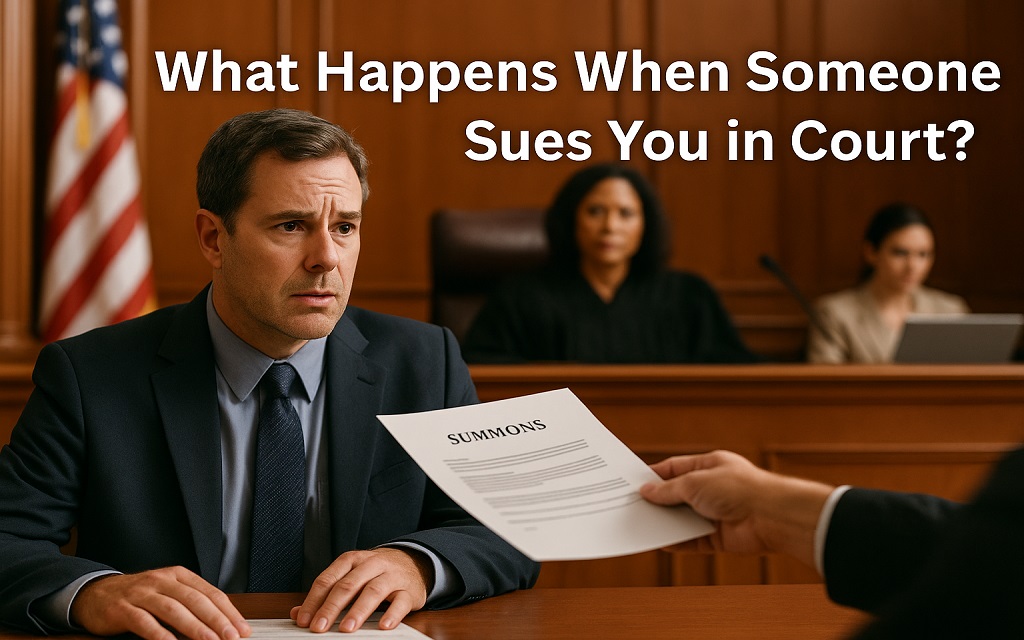
How Does the Process Start?
You should expect a lawsuit to begin with a legal document. That document is called a summons. It comes with a complaint. The complaint lists claims. It explains what the other party says you did wrong.
It is essential to know that you do not get sued in secret. The court sends the documents. You receive notice. You must respond. Courts set deadlines. If you do not respond, the court may rule against you. That is called a default judgment.
What Is the Role of the Defendant?
You are the defendant in this case. You have rights. However, you may answer the complaint. You may admit some claims. You may deny others. But you may file a counterclaim. That means you sue the other side back.
It is essential to know that the court listens to both sides. The process allows for facts and arguments. You may win the case. However, you may settle the case. You may avoid the trial.
What Comes Next After the Response?
You should prepare for discovery. That step involves both sides sharing documents. Each side may ask questions. Each side may request evidence. That part builds the case for trial.
The court may offer mediation. You may settle the dispute early. If no settlement happens, the case moves to trial.
Legal systems set strict paths. You must follow them. You cannot delay without cause.
In the United States, over 95% of civil cases settle before trial. Courts prefer early resolutions. You save time and money. That also avoids publicity.
What are the legal reasons people give when they sue someone?
Why Might Someone Sue You in Court?
Can You Get Sued for Breaking a Deal?
You should know that contract disputes are the most common civil lawsuits. Terms that both parties agree upon must be followed. One party may file a lawsuit if the other side doesn’t carry out its end of the bargain.
It is crucial to understand that the law recognizes both written and verbal contracts. Missed payments, subpar service, or delays can all be considered breaches. Courts enforce agreements if you can prove the terms.
In the UK, over 60% of small claims involve contracts. That shows how common these disputes are.
Can You Face Legal Action for Injuring Someone?
You can be sued for carelessness. That happens when someone says you caused harm by not being careful. This includes car accidents, workplace injuries, or unsafe property conditions.
A personal injury lawsuit may involve serious damages. The U.S. Department of Justice reports that the average jury award for damage claims in the United States is $791,756.
Can Words Lead to a Lawsuit?
You may also get sued for defamation. That includes libel (written) or slander (spoken). Someone may sue you if your remarks harm their reputation.
The 2017 Monroe v. Hopkins case in the UK resulted in a £24,000 award. One tweet was the source of that.
Courts demand evidence. You have to demonstrate that the remarks were damaging, untrue, and made public.
You should also be aware that lawsuits may arise from allegations of discrimination, job-related issues, and property disputes. If the law is followed, courts will accept cases.
How Do Lawsuits Operate in the U.S, the UK, and Other Nations?
How Are Civil Lawsuits Handled in the United States?
You should expect an adversarial system. That means both sides fight their case. You file claims. You present evidence. The court guides the process. A jury may decide the outcome.
The process includes:
- Complaint
- Answer
- Discovery
- Pre-trial motions
- Trial
- Verdict
The U.S. legal system allows broad discovery. You may request emails, texts, or business records. That makes the process longer. Some cases last for years.
What Is Different in the UK?
The UK also uses common law, but trials rely less on juries. Judges handle most civil cases. Procedures focus on proportionality. That means evidence must match the case’s value.
The UK court process includes:
- Claim form
- Defence
- Case management
- Disclosure
- Trial
Costs matter in the UK. If you lose, you may pay the other side’s legal fees. That rule limits weak claims.
What Happens in Other Legal Systems?
Countries like France and Germany follow civil law. Judges lead the case. You do not present dramatic arguments. You submit documents. Courts study written claims.
Japan and South Korea follow similar rules. Cases move faster. You may face lower legal costs.
You should check local rules if the lawsuit crosses borders. Jurisdiction matters. You must sue in the correct country and under the right law.
What Should You Do If You Are Sued in Court?
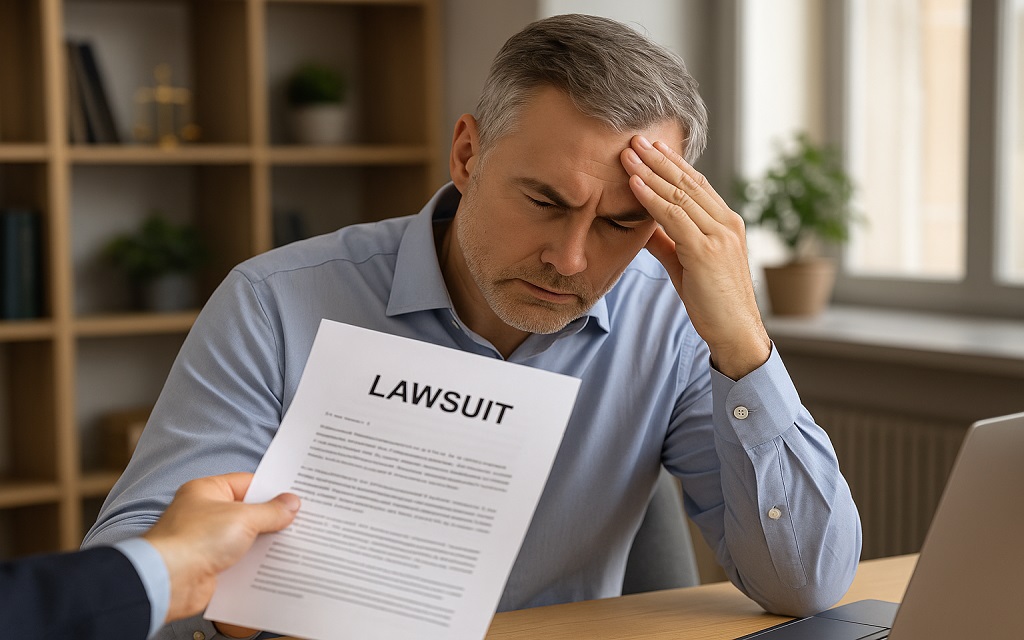
What Is the First Step After Getting Sued?
You should stay calm. Lawsuits can feel overwhelming. The most important thing is to read the papers. The court sends a summons and a complaint. You should read every word. That document tells you:
- Who is suing you
- Why are you being sued
- What they want
- When you must respond
You must respond within the deadline. In the U.S., the deadline is usually 20 to 30 days. Courts will not accept excuses. If you miss the deadline, you will automatically lose. That is called a default judgment.
Do You Need a Lawyer?
First of all, you should get legal advice. You should speak with a lawyer if the matter concerns money, contracts, property, or an injury. Also, you can represent yourself in some courts. But you must still follow the rules.
Numerous law clinics and legal aid institutions in the US and the UK provide free assistance. Depending on your income, you might potentially be eligible for reduced-fee attorneys.
It is crucial to understand that getting legal counsel early on helps you steer clear of pitfalls. The attorney can help you gather evidence, examine the complaint, and draft your answer.
How Do You Respond?
You must file an answer. That is your official response. You may:
- Deny the claims
- Admit part of the claim
- Ask the court to dismiss the case
- File a counterclaim against the person suing you
You should file your answer at the proper court location. Additionally, you must also serve a copy to the other side. Courts frequently provide forms for this procedure.
The court will proceed through the following stages if you reply accurately and on time. You stay in control of your case.
Let’s now examine actual lawsuit cases to illustrate how this procedure works.
What Are Some Actual Cases of Court Suspensions?
Can a Lawsuit Be Started by a Social Media Post?
Yes. UK journalist Katie Hopkins made untrue claims about author Jack Monroe on Twitter in 2017. Monroe sued for libel. The court awarded £24,000 in damages.
You should understand that online speech may lead to court claims. Anyone can file a lawsuit if they are hurt.
Are Lawsuits Filed Against Celebrities?
Yes. In 2022, actor Johnny Depp sued his ex-wife, Amber Heard, for defamation. The trial was public and emotional. Depp received more than $10 million from the jury.
This demonstrates how private disagreements can turn public. Courts require facts and proof. Fame does not replace evidence.
What Takes Place in Common Cases?
In Chicago, a renter filed a mold lawsuit against a landlord. The renter claimed health damage. The court ruled in the tenant’s favor. The landlord had to repair the property and pay partial refunds.
In 2020, U.S. courts received over 3 million landlord-tenant claims. That shows how common lawsuits are.
Do Companies Sue Each Other?
Yes. Epic Games sued Apple over its App Store rules. The case involved billions. Courts examined contracts and competition laws. Both sides had global legal teams.
This indicates that business disputes can escalate into significant court battles.
It is essential to know that courts handle all types of cases. You may face a lawsuit even without public attention.
Let’s now answer a key question: Is getting sued always serious?
Is Getting Sued in Court Always Serious?
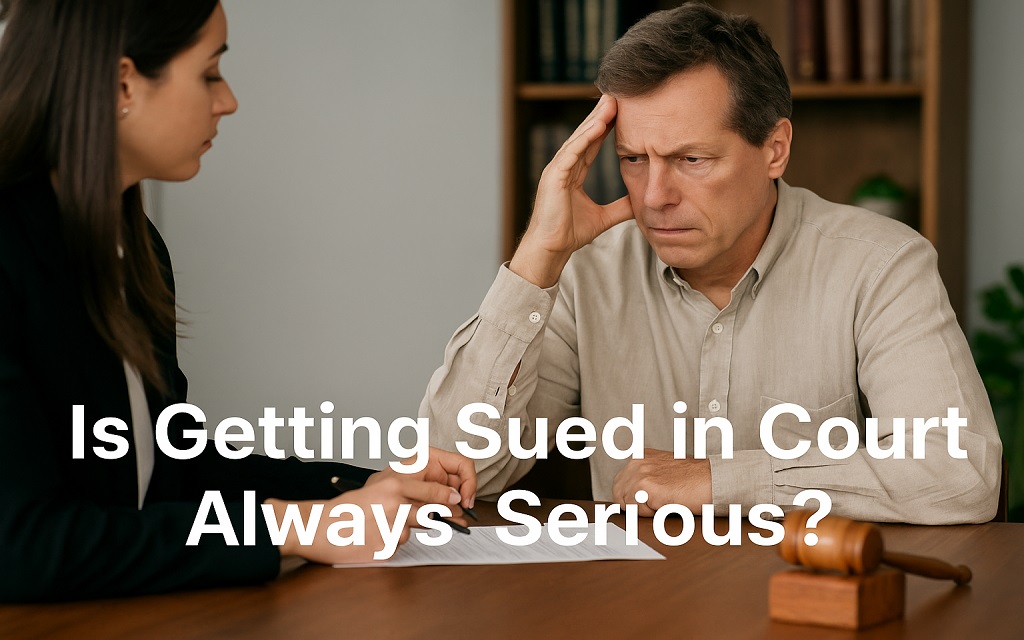
Does a Lawsuit Mean You Will Lose?
No. A lawsuit is a claim, not a result. Someone says you did something wrong. That does not mean the court agrees.
Courts examine evidence. You may win. You may settle. A judge may dismiss the case early. You should not assume guilt based on a claim.
Can the Court Dismiss the Case?
Yes. Judges may dismiss weak cases. That happens when:
- The court lacks jurisdiction
- The claims have no legal basis
- The claim is vague
- The deadline has passed
In the U.S., federal courts dismiss about 30% of civil cases in the early stages.
You should still file a response. If you stay silent, the court may rule against you even in a weak case.
What If You Have Insurance?
You may have legal coverage. Insurance policies often cover defense. That applies to:
- Car accidents
- Property damage
- Business liability
If your policy applies, the insurer provides a lawyer to assist you. The insurer may also pay damages. That limits your personal risk.
What If the Case Settles?
Most lawsuits end in a settlement. Both sides agree on the terms. That avoids trial. You may pay less. The case stays private.
You should ask your lawyer to review the offer. The goal is to protect your rights and avoid unfair terms.
So how do you make sense of all the legal language involved?
What Legal Terms Should You Know About Lawsuits?
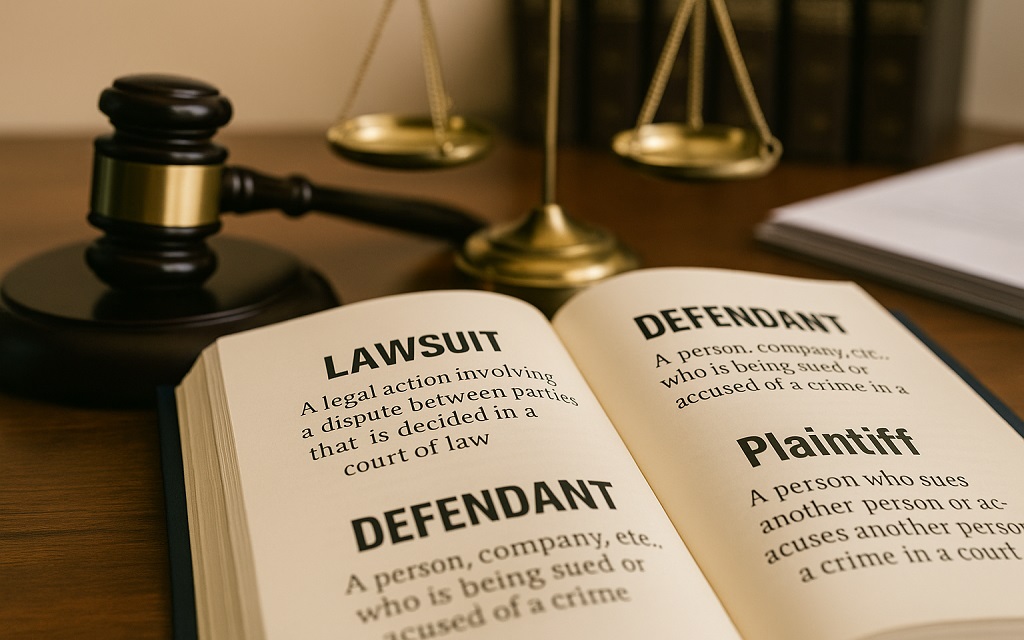
What Are the Basic Terms?
You should know:
- Lawsuit: a formal court case
- Plaintiff: the person suing
- Defendant: the person being sued
- Complaint: the legal claim
- Answer: your response
- Damages: the money requested
- Judgment: the court’s final decision
Each term matters. Each one shapes how your case moves.
What Are the Process Terms?
You may hear:
- Summons: a court notice that you are being sued
- Discovery: sharing evidence
- Mediation: court-assisted settlement
- Injunction: a court order to stop an action
- Jurisdiction: the court’s power to hear the case
Understanding these helps you follow the steps. That reduces fear.
Now, let’s turn back to the phrase itself — why do people even use the words “spell being sued”?
Why Do People Say ‘Spell Being Sued in Court’?
Is the Phrase Literal or Symbolic?
The phrase “Spell Being Sued in Court” mixes emotion with legal fear. You may feel cursed. You may feel targeted. People say “spell being sued” when they do not understand what is happening. They need clarity.
It is essential to know that the word “spell” here means “explain.” It does not mean magic. So, it means someone wants help. That shows fear and confusion.
Does It Reflect Legal Confusion?
Yes. Many people fear lawsuits because courts use complex terms. Legal language feels foreign. The majority of individuals are ignorant of the law and their rights.
This results in expressions such as:
- “I got hit with a lawsuit.”
- “They dropped papers on me.”
- “I got served.”
These phrases reflect stress. People try to explain legal pressure in casual words.
How Can Legal Language Improve?
You should expect clear language from courts and lawyers. People need simple words. They need real answers. That builds trust.
Legal systems should:
- Provide plain-English guides
- Use simple forms
- Offer free resources
- Promote legal education
That helps everyone. People defend themselves better. Courts work more smoothly. Rights stay protected.
Read More: Market America Lawsuit: What You Need to Know About the Pyramid Scheme Allegations
Conclusion: What Should You Always Remember About Lawsuits?
In short, you may never expect to face a lawsuit. But it can happen to anyone. A neighbor, client, customer, or stranger may file a claim, but what you do following matters more than what someone says.
You should always:
- Read the legal documents
- Respond within deadlines
- Talk to a lawyer
- Keep all records
- Know your rights
- Avoid panic
It is essential to know that courts offer fairness. They follow the law, not emotion. They judge based on facts, not fame or fear.
A lawsuit is not a curse. It is not a spell. It is a legal process. You can face it. You can handle it because you can win.

Musarat Bano is a content writer for LegalSever.com who covers lawsuits, legal news, and general legal topics. Her work focuses on research-based, informational content developed from publicly available sources and is intended to support public awareness. She does not provide legal advice or professional legal services.